14 Nov Your 25-year-old body was built for a different life
November 14th, 2026
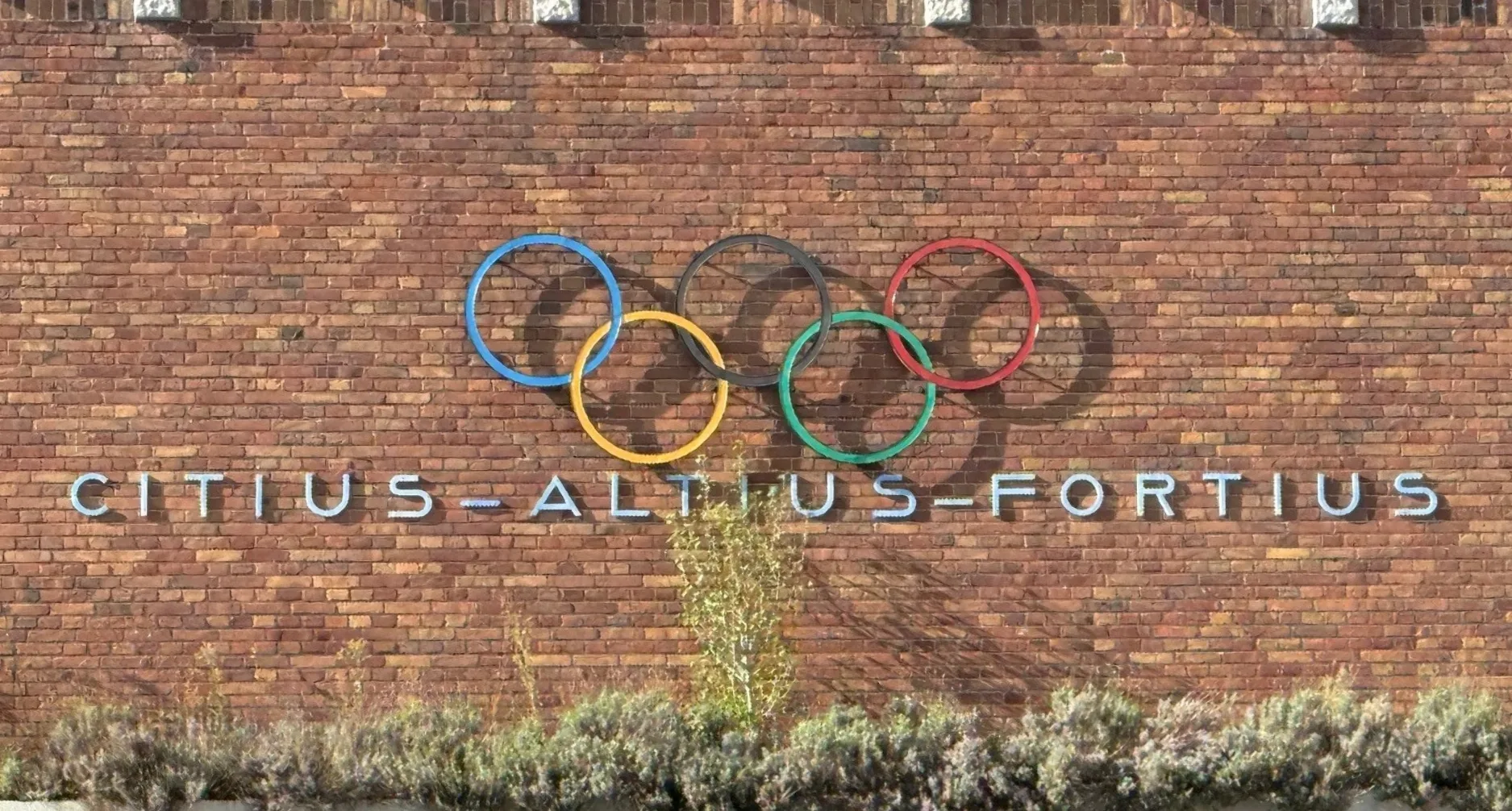
The original Olympic motto was three Latin words: ‘Citius, Altius, Fortius’. ‘Faster, Higher, Stronger’. It’s a brilliant motto, and for around 99.9% of us, completely useless. Most of us aren’t trying to break records. We’re trying to get through the day: the constant battle to get the kids out of the door (or to bed), yet another meeting that should have been an email, putting something together that could be described as ‘dinner’.
I say leave the Olympic motto to the Olympians. For the rest of us, I’d much rather the mantra was this:
Fortior, Sanior, Habilior.
Stronger. Healthier. More capable.
(Some of you will be wincing, and can tell that I never did Latin at school, but the sentiment stands.) Did you notice the words that are missing? ‘Thinner.’ ‘Smaller.’ And crucially, ‘twenty-five again’. Give me a moment to explain.
The old photo
It often starts with a photo. A wedding. The holiday where you didn’t put a T-shirt on for days. Graduation. Your late 20s/early 30s when you could have a kickabout for fun without days of ache afterwards, and had no concerns about your waistline.
You look at that photo, and then comes the thought:
“I just want to get back to that.”
I hear this all the time, and I get it. That photo stands for energy, freedom, ease and clothes that fitted without negotiation. Wanting to feel better in your own skin is a great reason to start. It’s the target I’d challenge.
My own old photo
I have one of these too, and it’s a good’un. In 2011 I completed the Marathon des Sables: six days, 250km, across the Sahara Desert. If anyone has a claim to ‘I just want to get back to that’, it’s me.
If you handed me that body back tomorrow, but told me I’d also have to return to the life and priorities that made it possible, I wouldn’t take the deal. That man had the time, the single-minded focus and the freedom to train for a desert. I turned 50 this year, and my life looks very different. I wouldn’t swap, and not because I’m not proud of 2011. The ‘Sahara me’ was built for the desert. The me I need today is built for the things and people that matter most to me now.
You’re not that person anymore
This is good news. Look at what’s changed:
- Responsibilities. Then: yourself, your rent and possibly your next date. Now: a mortgage, a career, ageing parents and small (or not-so-small-anymore) humans.
- Schedule. He trained when he fancied it. You train in a 40-minute window wherever you can squeeze it in.
- Body. From our 30s, we can gradually lose muscle (particularly if we’re not doing anything to maintain it), recovery slows and your joints start letting you know which angles they prefer. It’s not worse, it’s different.
- Priorities. At 25, a good body was often a project in itself. Now you might well be more interested in having energy for your family, and to still be doing the fun stuff in your 60s.
But that’s not an excuse to accept decline
“What do you expect at my age?” is the extreme opposite of “I’m trying to get back to 25”… and, as ever, I’m not a fan of extremes. A good chunk of what we blame on ageing is simple disuse. We can lose more muscle because we stop challenging it, feel less energetic because we move less, and become stiffer because we spend far too long sitting. And muscles keep responding to training well into people’s 70s and 80s. If that’s true at 80, it’s certainly true at 45.
The wrong target
Chasing the 25-year-old body points backwards. It leads to crash diets and punishing training your 40-something-year-old back won’t tolerate, and it ties your identity to the past (‘I used to be fit’). Then, when you stop, you decide you failed. You didn’t. The plan was built for a different person.
What does 45-year-old success look like?
Here’s a better photo to aim for, one that hasn’t been taken yet:
- Stronger. Strong enough to get off the floor without your hands and carry the shopping, a rucksack and a tired child. Two or three sessions a week goes a long way.
- Leaner. Not ‘lighter’. Less fat, same or more muscle. A waist you’re comfortable with, helped by protein at every meal.
- More energy. Something left in the tank at 7pm to play, cook or go for a walk.
- Better movement. Can you put your socks on whilst standing up? Can you (do you) stand up from a chair without using your hands to push down?
- Confidence. Saying yes to the hike, and no longer dodging the family photo.
- Useful. The friend who actually helps on a house move. The dad who easily carries a sleeping child upstairs and can help his own parents too.
- An example. Your kids watch far more than they listen. The way you talk about your body at breakfast is the way they’ll talk about theirs. In thirty years they won’t remember your jawline. They’ll remember whether you were present and up for the game.
This is exactly what I help men work towards through the Lean Dad Project: building the strength, improving the nutrition and developing the habits that allow busy dads to feel healthier, fitter and more capable, without having to turn their lives upside down.
The point isn’t to lower your standards. It’s to set better ones. Ones that reflect what matters to you today, what you want to be capable of tomorrow, and the sort of life you’d like to be living in twenty years.
Back to the motto
The lovely thing about those Latin words Citius, Altius, Fortius is that they are comparatives: not ‘fast’, ‘high’ and ‘strong’, but ‘faster’, ‘higher’, ‘stronger’. Than what? Than you were before. It was never an instruction to go back. It’s about forward.
Fortior, Sanior, Habilior works the same way. Stronger than you are now. Healthier than you are now. More capable than you are now. No age limit, and no old photo required.
Don’t try to rewind the clock. Build a body that’s fit for the life you have now.
By all means, cheer on “Citius, Altius, Fortius” from the sofa when the Games come round. But for yourself, for your kids and for the next thirty years, aim for this instead:
Fortior. Sanior. Habilior.
Ayo Williams